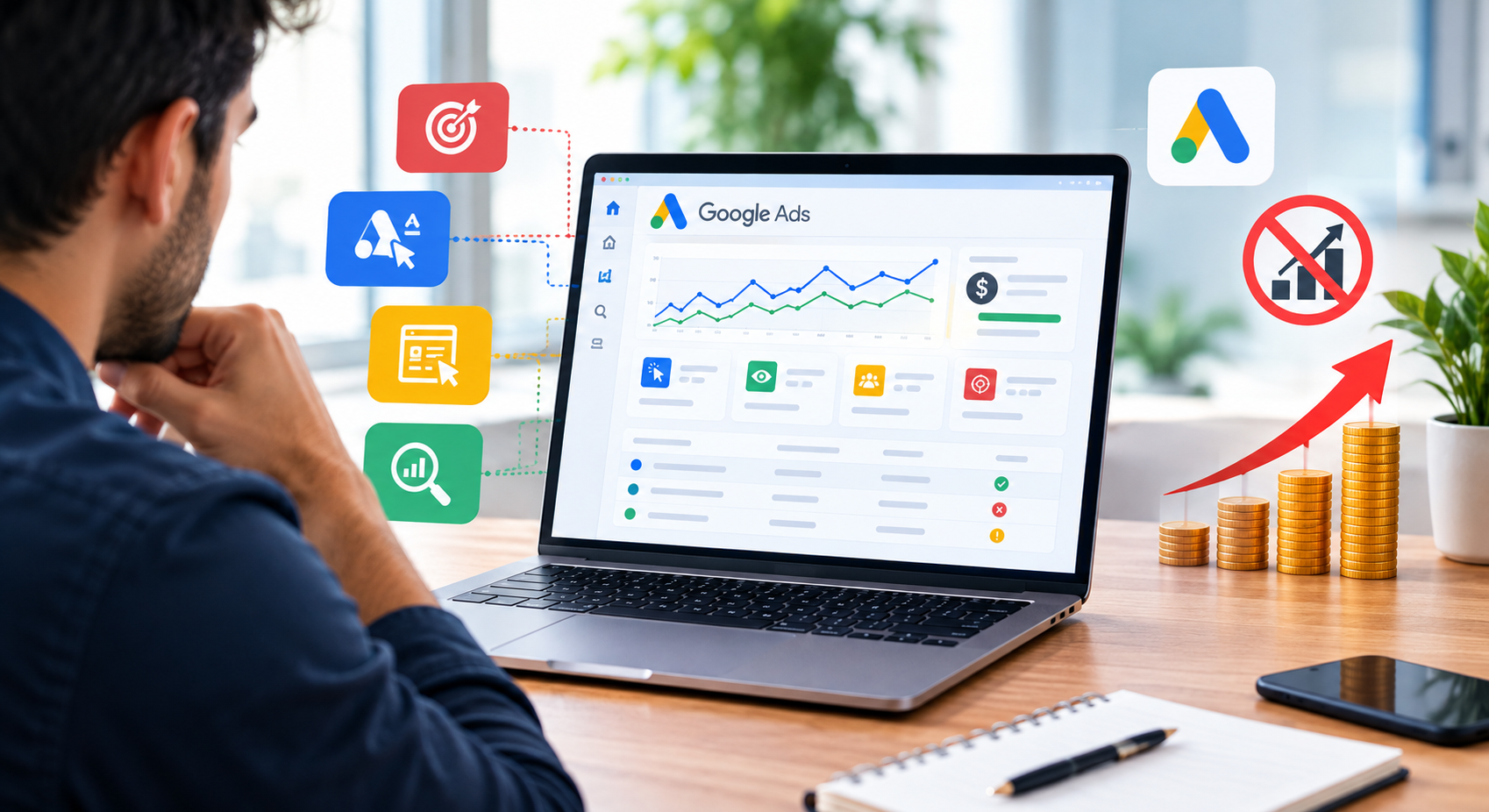
A few days ago, a client walked into our office, looking exactly like a guy who had spent his entire morning staring at spreadsheets that didn’t make sense. He sat down, offered a polite smile, but his frustration was hard to hide.
“I feel like I’m just throwing money into a black hole,” he admitted.
He wasn’t a novice. He had a growing business and had been running PPC ads for months. On paper, it looked fine—clicks were happening and people were visiting the site—but his sales were a rollercoaster. One week would be a win; the next would be a total ghost town.
“I spend hours every night tweaking bids and rewriting headlines,” he said. “I feel like I’m just guessing every day.”
Honestly? His story isn’t new. PPC is a powerful, but trying to manage it manually in a crowded market is not easy at all.
We told him something that changed his perspective: “You don’t need to work harder. You just need your campaigns to be a little more intuitive.”
1. Smarter Audience Targeting
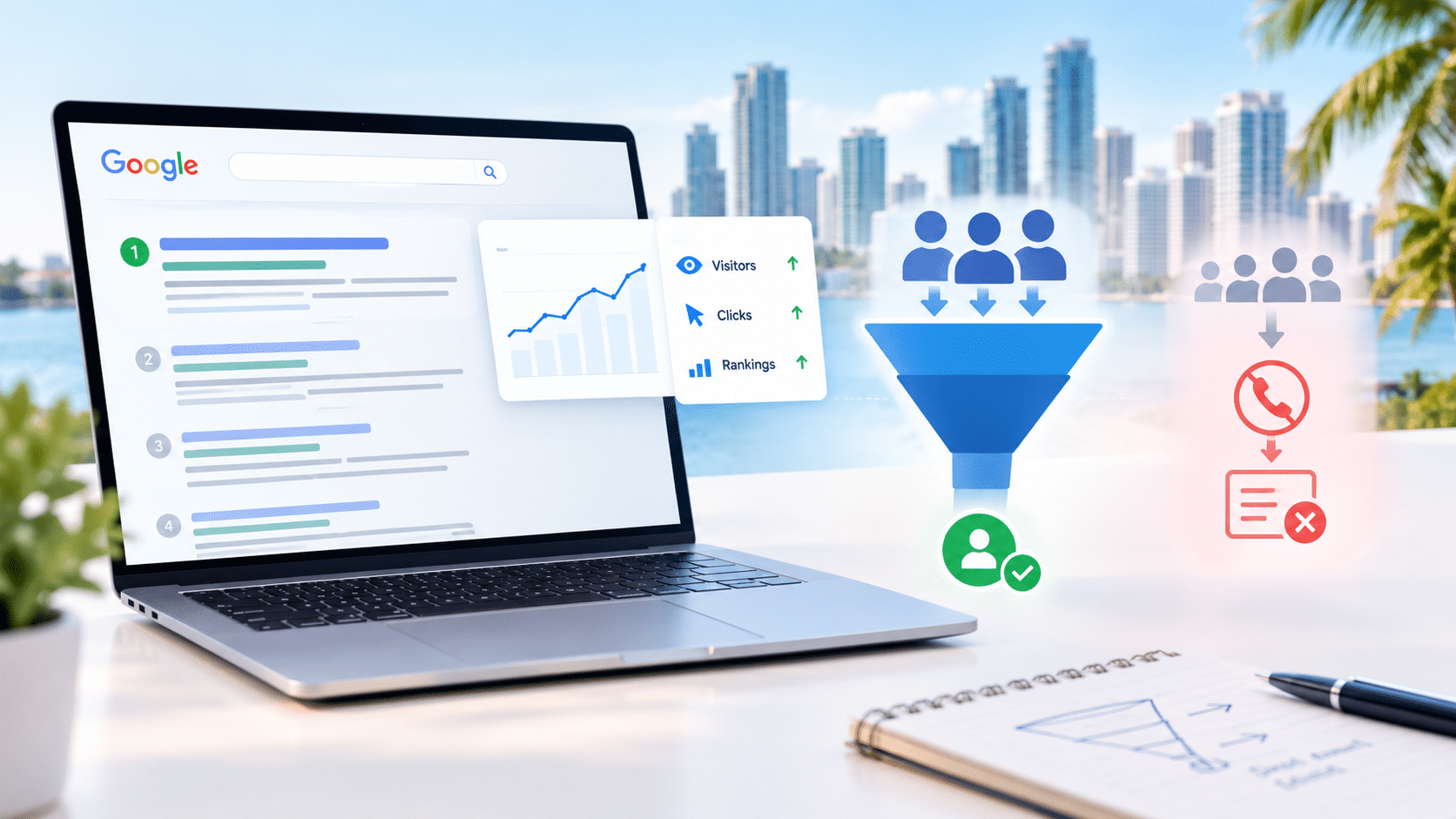
When we looked at client’s data, we saw the leak immediately. He was reaching a massive audience, but most of them were “window shoppers”—people curious about the topic but nowhere near ready to buy.
By using AI-driven insights, we stopped casting a wide net. We looked at search intent and behavior patterns to find the people who were actually ready to buy.
A few weeks later, he called us. “The traffic feels… different,” he said. He was right. It wasn’t just more people; it was the right people.
2. Better Bid Management
The client’s biggest challenge was managing bids manually. Sometimes he increased them too much and spent more than needed. Other times, he reduced them too much and missed valuable leads.
We moved him toward automated bidding strategies. Instead of guessing at 11:00 PM, the system began making small, data-backed adjustments based on things like time, user device, and location.
For businesses looking for PPC management in Miami, the goal is not simply spending more money. It is about using every advertising dollar in a smarter and more effective way.
3. Finding Better Keywords
The AI also pointed out something he had missed: Customer intent matters more than exact words.
It found keyword opportunities he hadn’t even thought of—specific, “long-tail” searches that indicated a user was ready to buy right now. We shifted the focus from broad terms to these high-intent phrases, and the ROI jumped again.
4. Smarter Ad Testing
Finally we stopped relying on just one ad. We used AI to test different versions and saw that some headlines performed better than others. Instead of guessing what might work, we used real data to understand what people actually responded to.
Better Campaign Results
A few months later, he came back in. The “spreadsheet eyes” were gone.
“I spent months trying to fix this by hand,” he laughed. “I realized PPC wasn’t the problem—my approach was.”
AI didn’t replace client’s vision, and it didn’t replace our agency’s strategy. It simply gave us the tools to make better decisions. When you combine human creativity with intelligent technology, you stop “spending” on ads and start “investing” in growth.
The takeaway? Better results aren’t always about a bigger budget. Usually, they’re just about making smarter moves.